
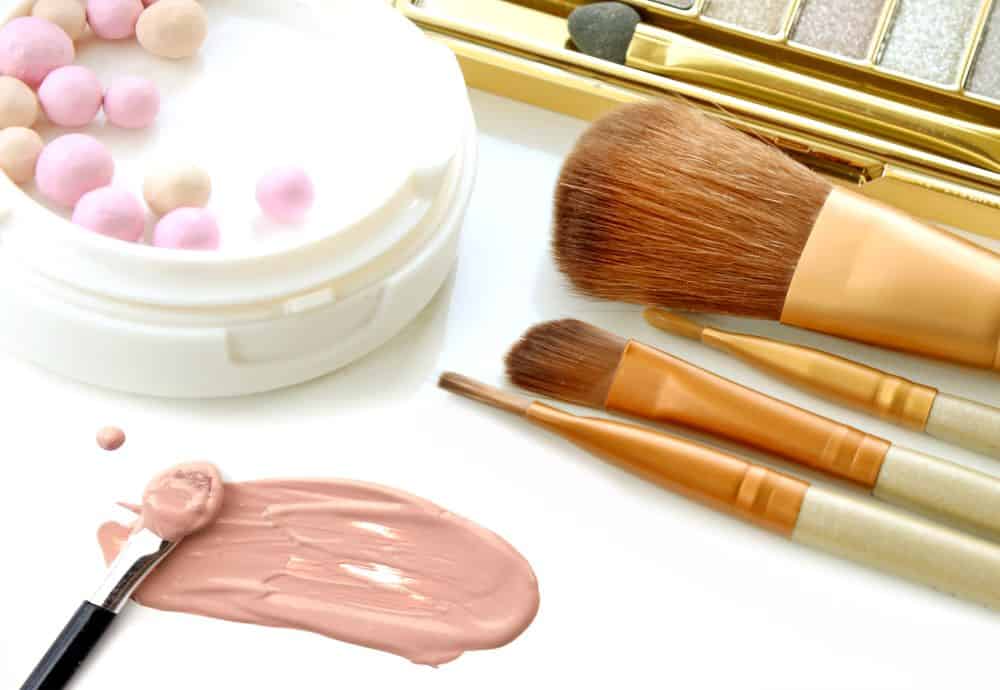
If you’re curious about why zinc oxide is a staple in many cosmetic products, you’re not alone. This powerhouse ingredient isn’t just a sunscreen hero: it’s a multitasker offering a host of benefits for your skin. In this text, we’ll jump into what zinc oxide is, its unique properties, its role in cosmetics, and why it deserves a spot in your skincare arsenal. You’ll also discover how it compares to other cosmetic ingredients, its safety considerations, and exciting future trends in its use. Ready to learn why this ingredient is a game-changer for your skin? Let’s get started.
What Is Zinc Oxide and Its Properties?
Zinc oxide is a white, powdery mineral that’s been used for centuries in various applications, particularly in cosmetics and skincare products. Known for its excellent UV-blocking abilities, it serves as a physical sunscreen, reflecting harmful UV rays away from the skin.
But that’s not all, this ingredient boasts anti-inflammatory, antimicrobial, and soothing properties, making it a go-to for sensitive skin types. The fine particles allow for a smooth application, and when used in cosmetics, it imparts a soft focus effect, blurring imperfections. Whether it’s cremes, lotions, or powders, zinc oxide is versatile and effective.
The Role of Zinc Oxide in Cosmetics
Benefits of Zinc Oxide in Skincare Products
Zinc oxide isn’t just for your beach bag anymore: it’s packed with benefits that make it invaluable in skincare. One of its prime advantages is its ability to act as a physical sunscreen. If you’ve ever used a sunscreen that didn’t irritate your skin, there’s a good chance it contained zinc oxide. This ingredient provides broad-spectrum protection against both UVA and UVB rays, helping to prevent sunburn and long-term skin damage.
Also, zinc oxide cosmetics grade is known to calm inflammation, making it effective for acne-prone or rosacea-affected skin. It aids in healing minor irritations and reduces redness, giving your complexion a more even tone. Plus, zinc oxide cosmetics grade is non-comedogenic, meaning it won’t clog your pores, which is a win for those of you worried about breakouts.
Applications of Zinc Oxide in Cosmetics
You’ll find zinc oxide in a range of products, from sunscreens and mineral foundations to creams and balms. Its absorbing properties mean it can also help to control oil and shine, making it suitable for oily skin types. Many companies are incorporating it into their formulations due to its natural provenance and effectiveness.
Also, there’s a growing trend toward using it in formulations designed for sensitive skin, whereby its gentle and calming properties shine through. You can frequently locate it in baby care products as well, given its ability to soothe irritated skin while providing a protective barrier against moisture.
Zinc Oxide vs. Other Ingredients in Cosmetics
When you think of sunscreen, you might immediately consider chemical filters like octinoxate or avobenzone. But, zinc oxide stands out due to its physical nature. Unlike its chemical counterparts, which absorb UV rays, zinc oxide reflects them, offering a robust level of protection without penetrating the skin. For those with sensitive skin, this physical barrier is a significant advantage, as chemical sunscreens can cause irritation.
Besides, many active ingredients in skincare can sometimes lead to reactions, particularly for sensitive skin. Ingredients like retinol or certain acids might not suit everyone, whereas zinc oxide tends to be well tolerated. In essence, if you’re looking for a gentle yet effective option, zinc oxide is hard to overlook.
Safety and Regulatory Considerations for Zinc Oxide Use
Sourcing and Manufacturing of Zinc Oxide for Cosmetics
As a skincare ingredient, zinc oxide is generally deemed safe, but it’s essential to consider where it comes from. Responsible sourcing and manufacturing are critical, especially since regulations can vary worldwide. You’ll want to choose brands that follow stringent safety and quality checks to ensure the zinc oxide used in their products meets necessary standards.
The Cosmetic Ingredient Review Expert Panel has assessed zinc oxide for safety, concluding that it is safe for use in cosmetics as long as it’s applied appropriately. But, it’s always wise to check the product’s specifics or any certifications about sourcing, especially for sensitive skin or if you’re pregnant.
Future Trends and Innovations in Zinc Oxide Cosmetics
The future looks bright for zinc oxide in the cosmetics area. With a significant push towards clean beauty, you can expect to see more products highlighting the benefits of natural ingredients like zinc oxide. Innovations also include developing nano-sized zinc oxide, providing the same benefits without the chalky finish that larger particles can leave.
Also, formulations incorporating zinc oxide in multifunctional roles, like tinted moisturisers or foundations with built-in sun protection, are on the rise. This not only saves you time in your routine but maximises the efficiency of skincare products.
Conclusion
Zinc oxide is a true gem in the world of cosmetics, offering essential benefits that cater to various skin types and concerns. Its multifunctional properties, from providing sun protection to calming irritation, make it versatile and indispensable. As you look for products to enhance your skincare routine, try to identify those that feature this powerful ingredient. Your skin will thank you.